In Japan they have a concept that is designed to create profound personal growth through very difficult situations.
Undertaking a challenge like this will likely result in failure, but the higher purpose is for the process to test your limits and ultimately change you for the better.
This concept is called the Misogi Challenge and is rooted in a traditional water cleansing of the mind, body and spirit. Before accepting my assignment, I traveled to Japan to visit an old friend, whom I had not seen in nearly 15 years.
Keita and I met in New York City. It was the summer of 2009, when I naively tried to move to the Big Apple with just a few bucks in my pocket and big dreams floating around in my head.
Keita offered to help — giving me a place to sleep for a few nights. That’s when I first learned that mattresses are not a necessity in Japanese culture.
Keita did return the visit to Florida, flying into our brand new airport in Panama City Beach. He took a real shine to me and I was flattered by such exotic attention.
We kept in touch over the years, thanks in large part to Facebook. When the pandemic hit, Keita returned to Japan to live with his mother, a recent widow. There wasn’t much a classically trained violinist could do at that time.
For me, traveling to Japan was also a test to see if I still had the bravery to venture out of my comfort zone and explore unknown territory. I was also aware that I would need to demonstrate diplomatic skills as to not come off as an ugly American.
After a long flight from Portland, with a layover in Hawaii, our Airbus A330 landed safely at Tokyo’s Haneda Airport. There was a long line for customs as Japan was one of the last countries to reopen post-COVID and had quickly become a popular travel destination.
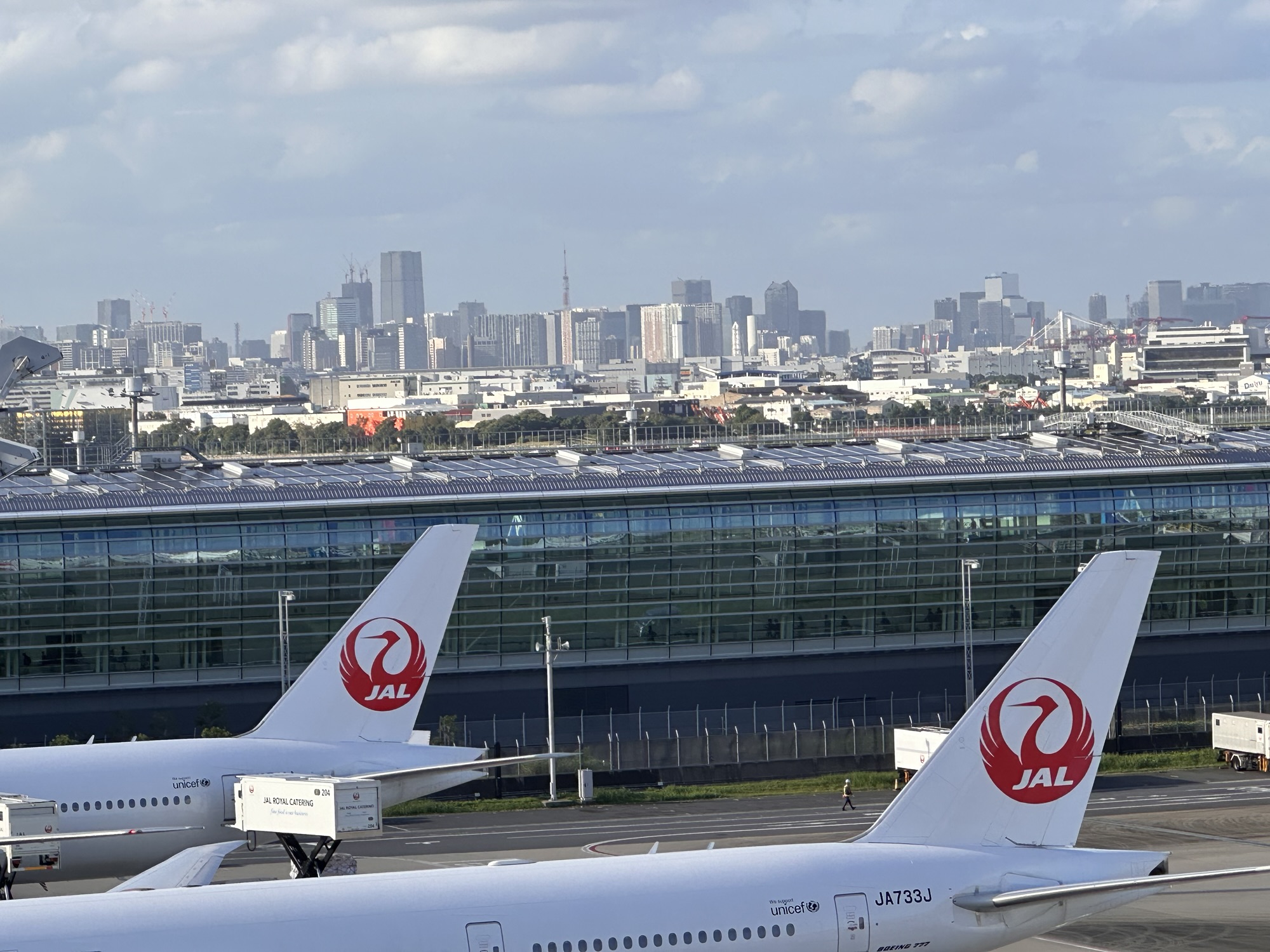
Once cleared, I entered the landside area and there was Keita waiting for me. He was easy to spot in the crowd, eagerly anticipating my arrival. As I approached, an expression of relief washed over his face.
“John, welcome to Japan,” he said, with a quick bow of his head while enthusiastically reaching to assist with my luggage.
Keita had aged well. He was lean and fit, a few inches shorter than me with slightly more gray hair. We took the train to his hometown of Hamura, where arrangements had been made for me to stay in a hotel. In the morning, we would depart for the mountain resort town of Kusatsu.
That night as I laid in bed, in a room the size of a luxury closet, I thought about how fortunate I was to be here — and how far I’d come professionally. When I first met Keita, I was a destroyed man in survival mode, aimlessly wandering the New York streets, foolishly thinking charisma and the ability to write would propel me to success.
As hard as that stage of my life was, the adversity helped shape me into the stoic, can do person I am today. It toughened me up for harder times in South Florida and the Pacific Northwest.
I was prepared for my Misogi challenge. The next day would come the water.





 Slice of Good Ol Boy Life
See What Readers Have to Say