Tea With The Cardinal

21 03 2015
All Aboard

All Aboard

My Hammam experience was far from thought on the train ride back to London. I was preparing for my next important interview — with an Irish Catholic Cardinal. I met the Cardinal a week earlier during a World AIDS Day mass in London’s Mayfair District. I approached him after mass during an informal coffee and conversation session inside the fellowship hall of the Church of the Immaculate Conception Farm Street. I gave him my card and disclosed my Catholic hertiage and interest in the Church. Much to my surprise, he responded a few days later, via e-mail, requesting I visit with him at his home in southwest London.

I left Paris before the break of dawn. The Euro Star is worth every penny. It is fast and connects people swiftly under the English Channel on a daily basis. This particular car was full. The man sitting next to me was a French businessman who shared his copy of “The Spectator” Magazine. I found the content, while obviously conservative, quite interesting. He asked about America, I said the country appeared headed for a re-run of the 1992 election. I asked about France, specifically the rise of Marine Le Pen’s National Front. Ms. Le Pen was quite the talk back at the Paris hostel where I had camped out for the weekend. Many of the young ladies I polled in the kitchen one evening during dinner had rejected the notion that Ms. Le Pen was a feminist. I found this fasnicating as I did most of the Parisan culture.

The French businessman dismissed any assertion that Ms. Le Pen was not a woman. He seemed only interested in my thoughts on Jeb Bush and Hillary Clinton. I said an election between the two would be costly. After that we said nothing more on that subject. Once we arrived in London, he made a quick dash for the door, saying he was late for a business meeting. I was in no hurry, my appointment with the Cardinal was later in the afternoon, so I hung around the train station and took a few pictures. Much like Gare du Nord, London’s St. Pancras station is fascinatingly put together with a mix of modern conveniences built into old world architecture.

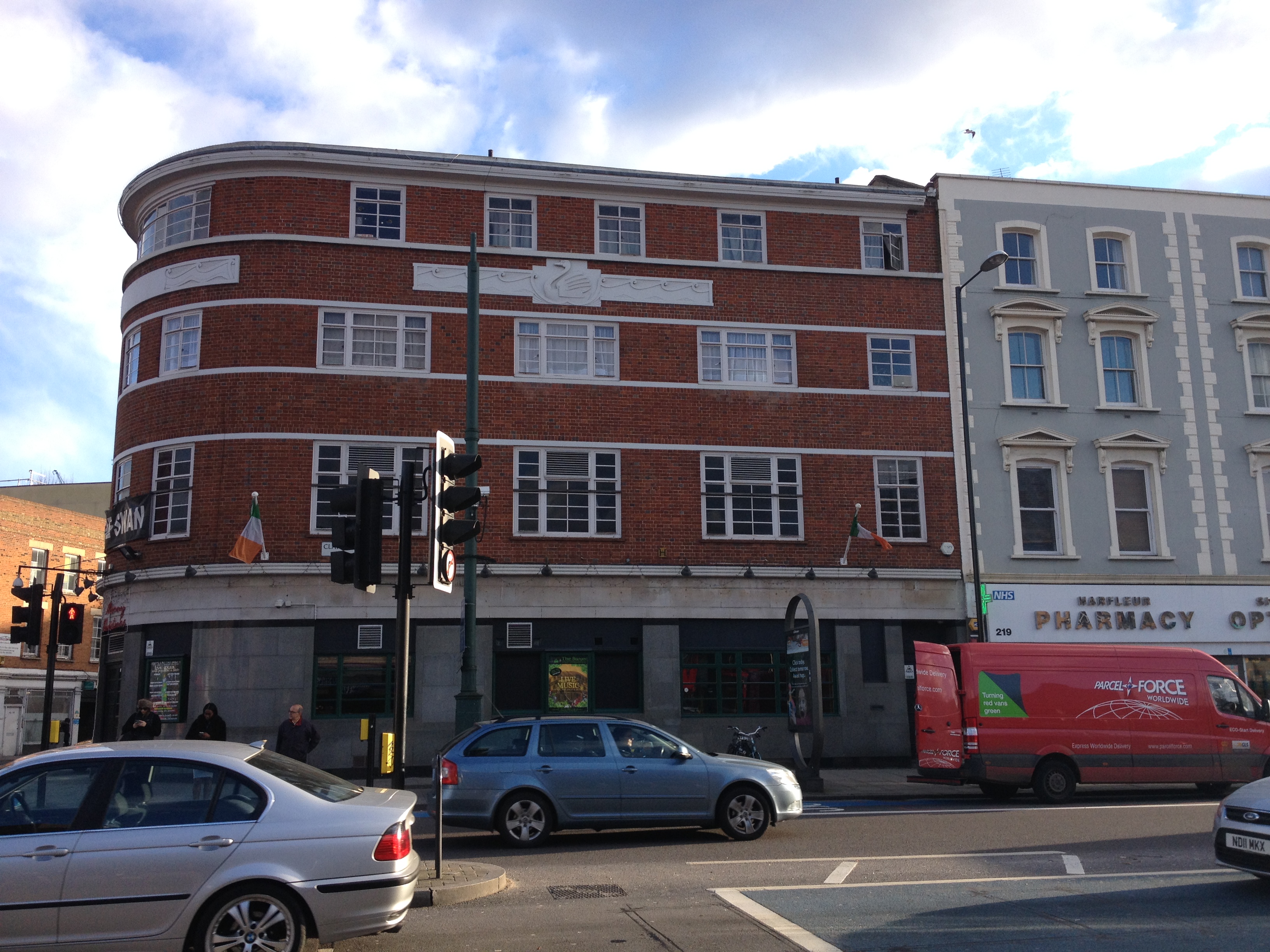
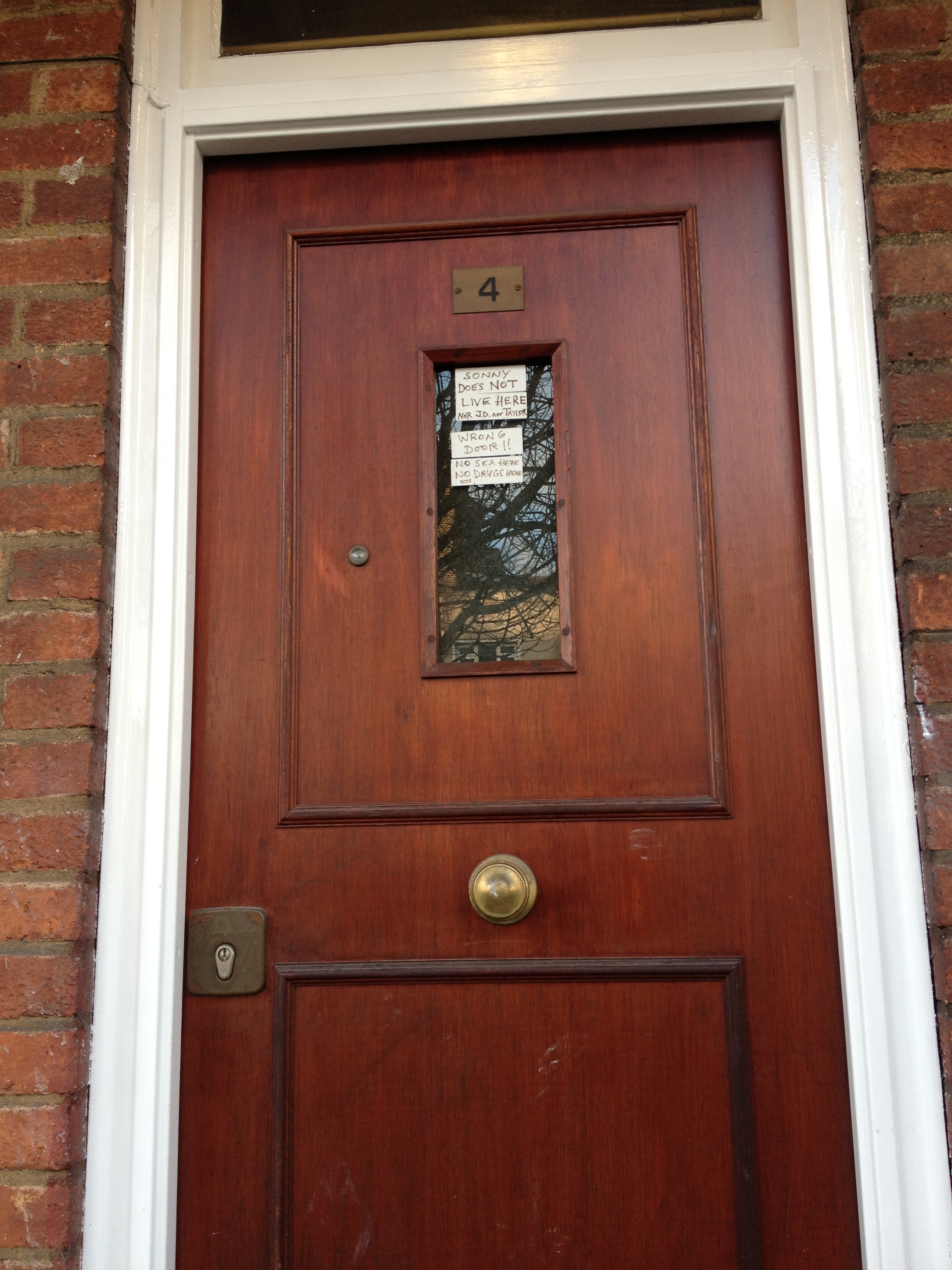
The Cardinal lived south of the River Thames. I got off the tube in Stockwell, directions in hand, and proceeded past an Irish corner pub and into a section of government housing projects. Once I arrived at the apartment, I noticed a sign on the front of the door which declared, “Sonny Does Not Live Here. Nor JD nor Taylor. Wrong Door!! No Sex No Drugs.” I found this quite interesting even though I was after neither, instead seeking simple counsel. Back in the south of Florida, I had begun writing about AIDS. The subject was challenging and broadened my journalistic abilities. It has traditionally been written about in the American media as a horror story and yet I was discovering more and more remarkable tales of bravery.

Cardinal Warning

Cardinal Warning

I was hoping the Cardinal could give me the United Kingdom’s perspective. I knocked on the door and Vincent invited me in.

“Come in, John, I’ve been expecting you,” he said. “The kettle is on.”

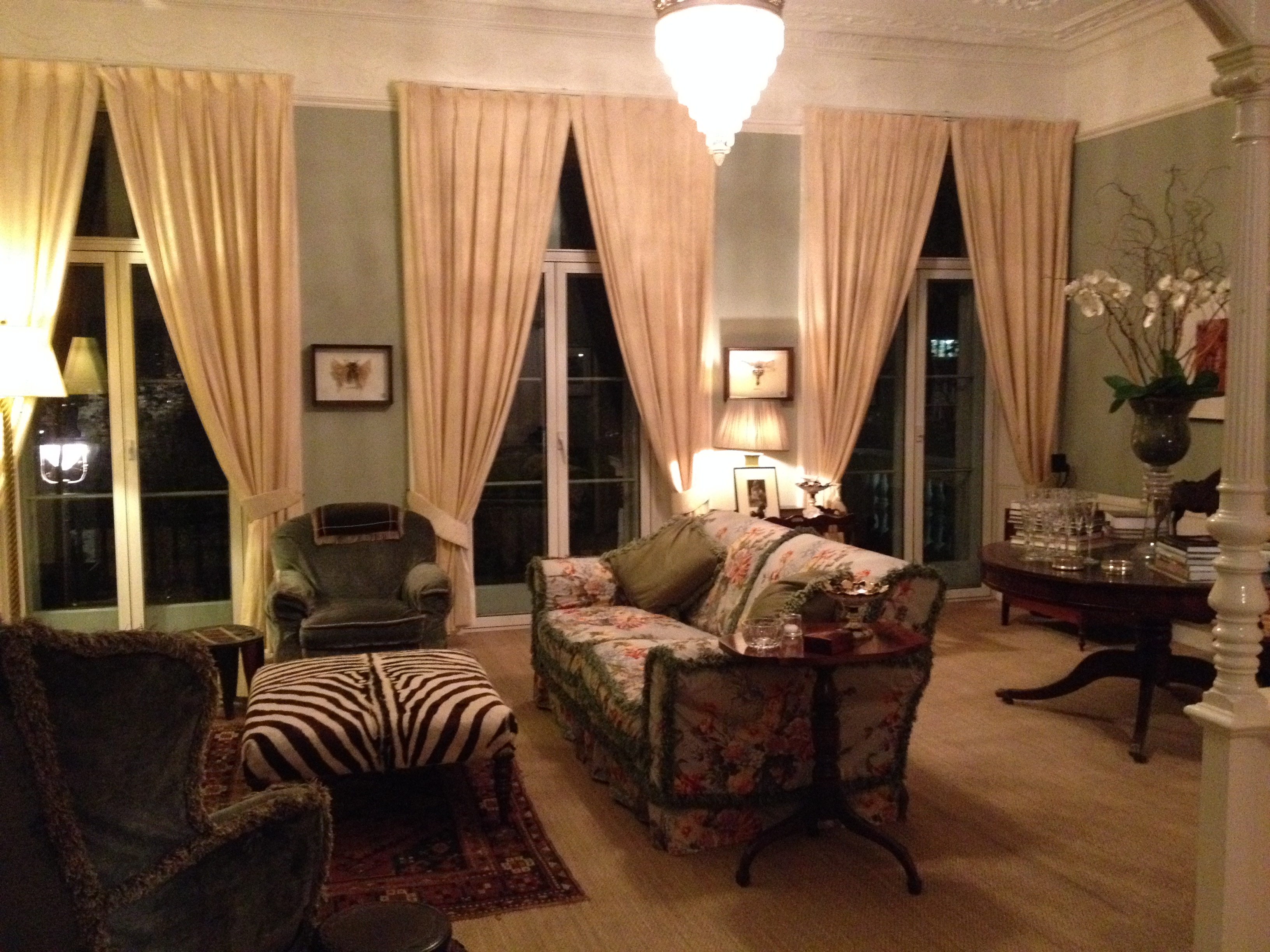
His apartment was full of books. It was small, humble and somewhat disheveled. I was there for almost three hours. Talking, sharing life stories. It was amazing. During our visit, a man and his apprentice came to check on the water line. Vincent was the building superintendent and the men needed direction. I said hello but nothing more. Once they left, I began my probe.

The Church, Disease, Power, Charity and, most important of all … Surrender.


Le Hammam

8 02 2015
La Marais

La Marais

As I left the Paris Hammam there was one young man who drew my attention. He was of dark skin. Black. There was no doubt in my mind he was of African descent. He reminded me of my co-worker from the Grand Canyon…Mamadiou.

I did not speak to this young man as I dressed and gathered my belongings from the locker. He muttered something and I glanced over my left shoulder, but said nothing as I turned. It was at this time that I noticed a young build attached to a head with patches of gray hair coming in. This was not Mamadiou.

The Hammam had been an experience like none other. There were countless attractive, well built men, most in the prime of their lives. No one spoke, but everyone judged.

This was my last night in Paris before catching the Euro Star back to London.

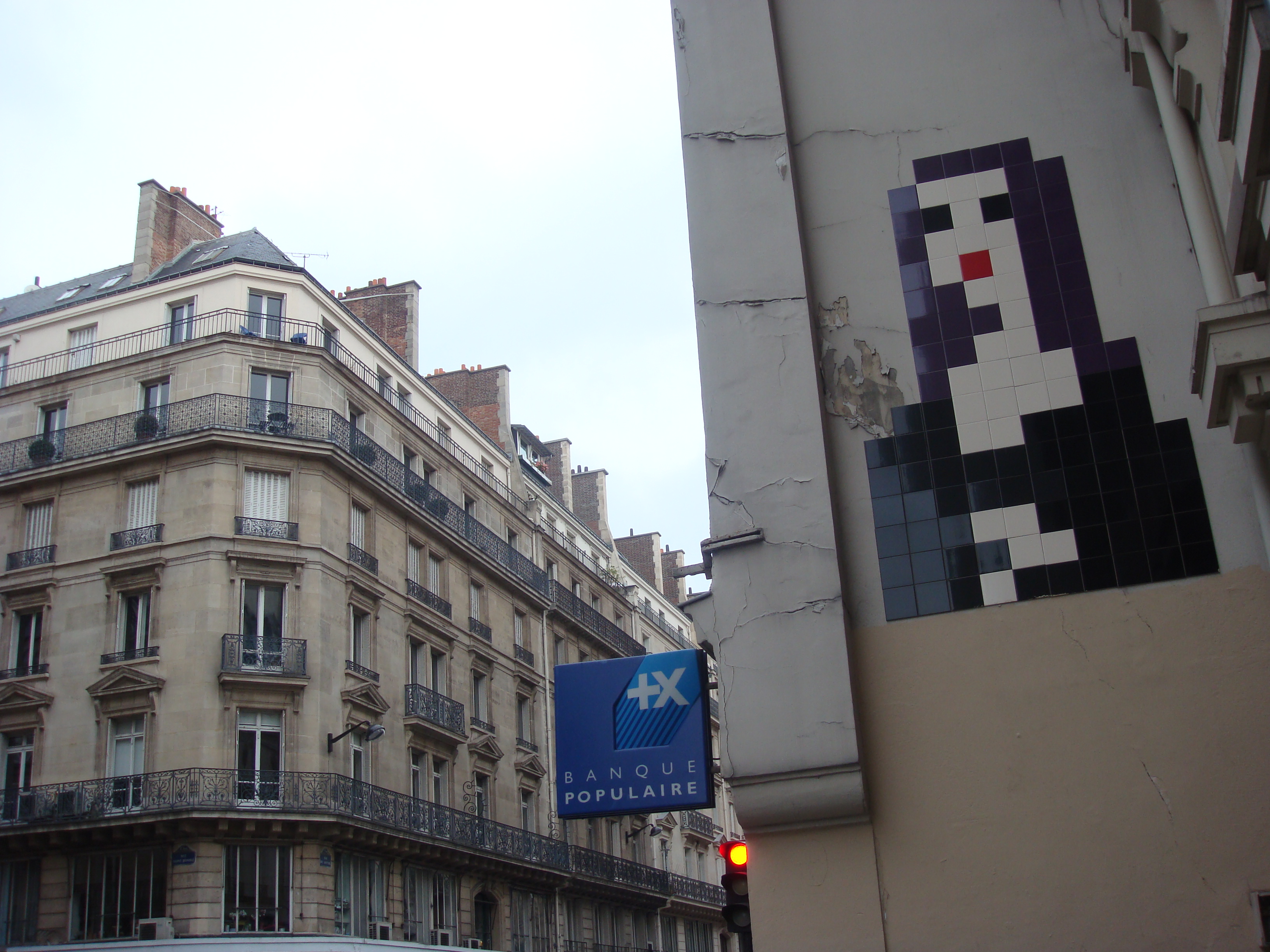
The Hammam was not open 24 hours and they refused my American debit card, but the sympatheic front desk clerk directed me to the bank across Sebastionpol. There, he said, I would be able to withdraw cash, Euros of course. I diligently proceeded across le rue, to get cash, feeling slightly shameful as the guys in the que behind me chuckled at my confusion. What happened next was, dare I say, one of those moments.

As I withdrew my money from the French bank, I noticed movement out of the corner of my eye. I turned around to find a teenage boy crouching behind a column in the lobby of the bank. I Immediately turned back to the ATM, completed my transaction — swiftly I might add — and took the cash and left. I let the boy, and his friend (another teenager) know in no uncertain terms what they were doing was suspect.

On the street, I approached the nearest men outside of the bank, strangers, but I felt compelled to let them know of the boys’ mischief in the bank.

“Those are Roma,” said one of the men. We know them as gypises. “They try to trick you,” the man said.

He then told me this was quite common in Paris. His friend, a Frenchman, agreed with laughter no less. I told both men if the Roma boys were intent on robbing me they would be greeted with a quick and forceful kick. I then demonstrated this kick to the men. The fat Frenchman found this to be especially funny. Much to my dismay, the other one asked for money. At this request I realized they were street people.

I scoffed and marched back across Sebastionpol to the Hammam, peeking inside the bank to see the Roma boys still hiding behind that column in the lobby. I paid the front desk clerk 15 euros and he gave me a small towel and locker number. I needed to relax after what just transpired. Had I been robbed, I would have been embarrassed, disgraced and humiliated. Unfortunately, there were just too many people at this Hammam to properly relax.

Adonis like figures waited for open spaces in the tubs and sauna. The sauna was especially cavernous. I worried of getting lost and unable to get out before shrinking down to nothing amid the steam. My confidence and self esteem were at all time lows inside this Paris Hammam. The feeling of guilt again sweeping into my psyche.

I walked all the way back to the hostel that night on the cold streets of Paris. My research into the strange subculture of Parisan men complete.


Thanksgiving at Gordon House

18 01 2015

On our first night in London, JB took me to a Bombay Cafe in an emerging neighborhood near King’s Cross. It was good to catch up. I filled him in on the details of summer in Glacier and challenges of my first management gig. I was delighted to learn JB had been nominated for a teaching honor at his college. Being recognized for excelling at what you love is always a time for celebration.

Dinner was wonderful, the waitor made sure to explain how each sauce complimented our entree. I drank a lot of hot tea that night, hoping to unplug my sinuses. Preparing for this trip and finally getting across the pond was not easy. I was concerned about traveling alone into Europe and attending a Thanksgiving dinner party at the Gordon Square House where I would finally meet some of JB’s closer comrades.

There is a fine line in showing self confidence yet not arrogance. This would be my challenge in London.

As I got ready for the party, I recalled my departure from Glacier, driving across the country in an experience that made my world seem quite small. On the first night I slept in the Jeep at a reststop just outside the Little Bighorn Battlefield. The next morning I awoke and went to the National Monument, getting in just as the gates opened. I walked through the cemetaries and exhibits dedicated to this memorable moment in American history. Moved by such powerful historical moments, I called my father with a progress report.

Custer's Last Stand

Custer’s Last Stand

“I should be home in a week, Dad,” I told him. “We’re going to spend a few days in Denver.”

“Where are you now?,” he asked, the AT&T service coming in crystal clear on the southeast Montana plains.

“I’m at the Battle of Little Bighorn,” I responded, explaining to Dad how incredible a presentation the Park Service had put together at the Battlefield and how moved I was by the stories of Lt. Col. George Armstrong Custer, the U.S. Army’s 7th Calvary, Sitting Bull, Crazy Horse and the warriors of Lakota Sioux and Northern Cheyenne.

Dad’s next words struck a nerve.

“Ego,” he said. “You see what happens.”

I did. Custer marched his men right into a massacre — unknowingly, blinded by his perceieved strength.

Back in London, as I prepared to meet JB’s best friends, I was conscious to present a confident young man new to this uppercrust world he had been invited into. Chris was my shepherd. There were 12 of us.

I wore my Kenneth Cole Reaction sports coat. The one from the ill-fated campaign for the Florida House. It fit much snugger now. Chris and I chatted before the other guests arrived. He owns the Gordon House with his husband David. They are a wealthy couple, both very handsome, distinguished and quite sucessful. Americans — raised in New England and now thriving in London.

JB would not attend the dinner as he would be accepting his teaching honor at the college down on the Strand. Eleven new men, I would be meeting and eating with. Nervous, you say? without a doubt … Yes.

Troels and his partner Peter were the first to arrive. A tall man from Denmark, Troels, I would find to be a fascinating person to converse with. He was quite stylish too, wearing plaid designed long trousers made of a tweedish material. Thanksgiving was irrelevent to Troels.

He peppered me with the fact that a majority of Americans were obese and stupid and when I asked him about our President he offered a skeptical remark, “He’s weak on foreign policy.”

This I took without mustering a defense, noticing the room was beginning to fill. I was introduced by David to Marco, a very handsome Italian, whose looks distracted me from Troels’ insults. Marco was with Evan, an American Jew, who like Chris and David, is a successful businessman living in London.

We all were served wine and champagne by a sweet young lady whose name I do not recall. After Marco and Evan, I met the Spanish representatives, Phillip and Javier, very friendly guys. There was laughter in the air and smiles all around. We would proceed downstairs to the dining room where our dinner awaited. There I met Stephen and Daryl, another incredibly handsome couple, Stephen, a New Jersey ex-pat and Daryl, his British boyfriend, a fellow politician from Cambridge. Joining me as a solo participant was Grant. JB warned me about this young Scotsman. His story later.

Gordon House

Gordon House


Hello, London

25 12 2014
London's Heathrow Airport.

London’s Heathrow Airport.

I arrived in London with a lot to prove.

American. Southern Democrat with a love for nature and history and rebuilding confidence despite a poor showing during the midterm elections in the U.S. The President’s men and women cannot always win, so it seems.

David insisted I carry a bag that was too heavy for me. He describes it as a Toumi folding suit bag. I hauled it out of the airplane into Heathrow and onto the underground tube. It took up a lot space on the train and yet people did not complain despite tripping over it which, no doubt, inflicted a few cramps. I was so embarrassed. The shoulderpad was practicially deteriorating on my shirt, leaving black marks on a fine fabric. But I was glad to be here.

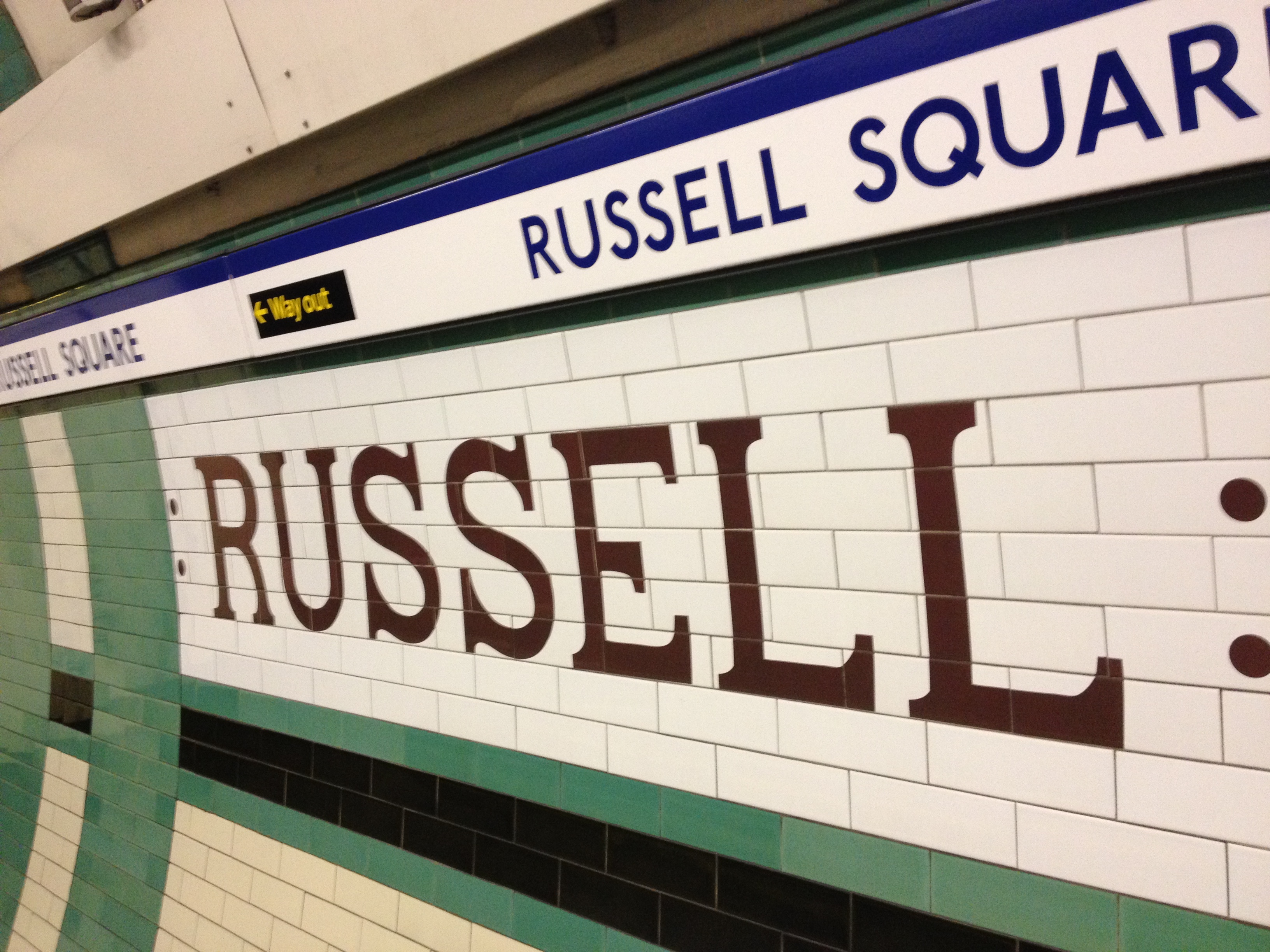
At the Russell Square station, I had one more uncomfortable surprise awaiting as the masses unloaded and filed toward the exit. There was a lift to the street and a lot of people waiting for just two cars. Tired of being in the herd, I opted instead to climb stairs. One hundred and seventy-five of them — Toumi folding suit bag, laptop briefcase and all. Signs warned to not attempt this unless one was in tip-top condition. I considered myself just that.

Russell Square Underground Tile.

Russell Square Underground Tile.

I beat the crowd upstairs. One of the taller, younger lads, who had opted to wait with his family and take the elevator instead, shot me a contemptuous glare as I proceeded in the opposite direction. From the station, I headed into the Bloomsbury district where JB was housed in a charming building on Gordon’s Square. Bloomsbury is an intellectual zone, full of thinkers, young people and sophisticates It was quite different from our previous rendezvous in Walthamstow.

London already has an air about it. It is cold but not damp. I arrive at the Gordon Square House to JB’s warm greeting. He immediately offers to help me with my luggage. I was relived as we climbed the stairs, another five flights, into the attic. JB has come a long way since our first meeting in Houston. And so have I.

We chat briefly before he must leave for the college and I need some rest. I slept little on the plane, watching two movies and eating everything they offered. Food, for the next two weeks, would not be a priority. I had trained and fed all summer for this moment.

JB was in great shape and just a few years my senior. I was glad to see him again. He is the only soul from Houston I have remained in contact with. That was such a dark year.

Things would go much better in England. This I was sure of.


Liftoff in Lauderdale

21 11 2014

At the Tip of the Sphere again.

I’ve been back in Florida for a little over one month now. I’m writing a lot and people are taking notice. My list of clients is an impressive one and soon I embark on perhaps my greatest adventure yet.

078

Pause and reflect? No time for that.

A man reaches a point in his life when training is over, school is out and the desire to swim in a larger pool is what moves him.

Glacier served me well. The management skills I attained in Montana are enabling me to navigate South Florida’s often trecherous waters. Treading lightly in Little Havana and South Beach, I take the bulk of my assignments instead on more friendly turf in North Miami and Fort Lauderdale. I continue to move the discussion forward with each article.

Politically, the party I belong to was defeated soundly at the ballox box during November’s midterm elections. Republicans are rising in America and some of their far right operatives have made great gains in social doctrine in Europe and Africa.

David, God bless him, remains loyal to our partnership and has become an extraordinary chef in the kitchen. We share laughs and spirited discussion over candlelight dinners. Our home is a collection of antiques we inherited from the owner. It is full of love.

The kitchen, he says, still needs some work. It’s a tight space, Golden Girlish in design. We listen to local NPR newscasts over coffee and breakfast.

Condo life is interesting. Miami life is amazing.

But a cold front is coming. I’m ready for it.

Et Vous?


Finishing Strong

21 09 2014

A long, hard and arduous summer has come to an end.

There were times when I felt that I had bitten off more than I could chew. The entire experience at Lake McDonald Lodge reminded me of the summer of 2010 and my ill-fated campaign for public office. Too many people were watching and depending on me and no matter how hard the going was, I simply could not quit.

I quit an important position before and vowed never to do that again.

So this summer was indeed a journey of perseverance, but I leave Montana with a new skill set and a hardened exterior.

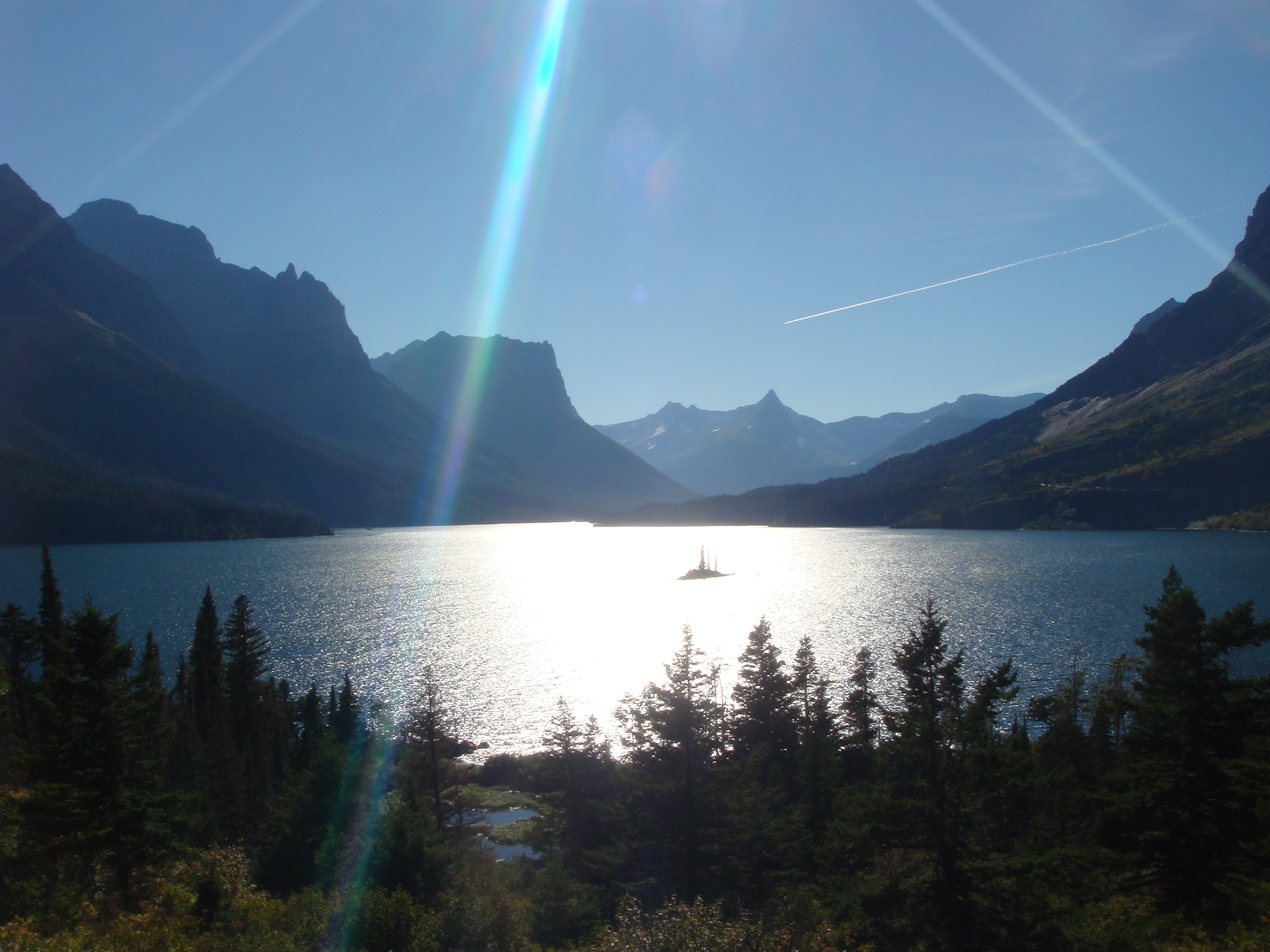
St. Mary Lake

St. Mary Lake

Much like that race for the Florida House, I began this Glacier project cautiously, scared, intimidated at times and trying to please all while maintaining that “nice guy” image.

But some people take advantage of kindness. Others do not know the meaning of the word. This I have learned the hard way.

Saying “No” is hard. Getting people to accept “No” as your final answer is harder. And perhaps the hardest of all is understanding why we — as human beings — cannot do certain things.

There is no doubt I have changed because of my five months in Glacier National Park — enforcing federal regulations, interpreting nature’s wonders and, above all, keeping my cool during day-to-day operations at the lodge. As much as I would have enjoyed going out with guys and gals and drinking the night away, responsibility prevented that. Someone had to rise at 6 a.m. to get this show on the road.

And, make no mistake, this show was a profitable one.

The park experienced record numbers in visitation, prompting our superintendent to remark how “intense” a summer season it was. At the lodge, revenue exceeded projections and as I type tourists are still streaming in to see the changing colors of autumn.

The change in me is obvious. My first foray into project management has led to a great deal of personal growth. In September, I commanded our bus fleet with an authority that was no where to be found when I stepped off the plane last May in Missoula. I came here in search of answers to my station in life. What I found was a mountain’s worth of confidence.

“What happened to that cheerful guy?,” one of our drivers commented after he observed me forcefully explaining, once again, the Going-To-The-Sun Road was closed due to a snow and ice storm.

“He adapted,” I replied.

I certainly realize what I am capable of after this summer. I am on another level career-wise and, perhaps, future employers will recognize such as I return to my home state in hopes of putting these new skills to good use. We’ll see what offers come my way, but already I am feeling nostaglic for what I went through.

All of the drivers and their quirks, demanding and often dehumanizing tourists, the isolation, the shitty food — it all makes me laugh now even though, privately, in July, I would drive across the park and suddenly burst into tears of stress for what the day had brought.

Above all, it is important to remember the majestic beauty of our national parks. It is, first and foremost, why I am here. And to that end, I think I did a damn good job of preserving and protecting Glacier National Park.

Check that … I know I did.


Climate Change Clarity

16 08 2014

One of my intentions in coming to Glacier National Park was to study climate change. That all went out the window when I recognized the extent of my job description. To this end, I have not been able to explore as much of the park as my previous experiences in Grand Canyon and Yellowstone.

One of the first things we were told in orientation was to not “lecture” the guests and visitors on the subject of climate change. It is a hot topic — pardon the pun. So, off duty, I decided to take an informal poll.

“It shouldn’t be a political issue, it’s a human issue,” said one of my younger co-workers.

The kid is earnest. Twentysomething. Tall, gangly with long hair and a mustache. Works maintenance around Lake McDonald Lodge. It would be fair to call him a hippie.

Human or Political, whatever your view, “Climate Change” had come to Glacier — many times. For there is one thing that is absolutely certain … climate does indeed change.

Intrigued by the company’s line of evasion, I attended several of the Park Service’s environmental programs, where I found more dodgy rhetoric. One of the park’s artists in residence — a songwriter from Texas (surprise) — even refused to reveal his thoughts on climate change, prompting a snarking tourist to ask if he would return to the park once all the glaciers are gone to write a song about it.

Nerd humor at its finest hour.

While the Park Service tries to walk the tightrope, the affects of climate change are obvious here. As our superindendent puts it, “It’s staring at you in the face.”

The glaciers are receeding rapidly. When the park opened in 1910, there were roughly 150 documented glaciers. Presently, there are 25. Call it global warming if you want, but the moving rivers of ice are leaving and what they are leaving behind is quite spectacular.

My ranger friend Christian was the first to truly open my eyes to this whole climate change thing.

“The park wasn’t named for the glaciers, John,” he told me. “It was named for how the park was created by the glaciers.”

Wow.

Christain continued, “This is the biggest misconception we hear from tourists. People come here expecting to see  a lot of glaciers. What they are seeing here, instead, is what the glaciers left behind.”

He was right. These jagged alpine mountains got their rugged good looks from centuries of glacial carving and receeding.

And the Ice Age doesn’t appear to be coming back anytime soon, folks. This summer has been hot. Very hot. In the swealtering Lake McDonald Valley, temperatures have climbed into the 90s quite regularly. Tourists from sun states such as Florida and California, seeking a break from the heat, have surprising found themselves baking aboard one of our red buses.

Sexton Glacier

Sexton Glacier

Meanwhile, seeking a break from the crowds, I embarked on my first challenging hike of the summer — a 10-mile trek on Siyeh Pass. It was a near 4,000 foot elevation gain during the heat of the day. I did it alone — and without bear spray. Fear be damned.

It was an incredible adventure, taking me back to those Grand Canyon hikes with Desmond as the sun beat down and yet I kept climbing, switchback after switchback. A day later, my knee would not forgive me. At the hike’s summit, 10,000-ft Mt. Siyeh, I stopped to eat my sack lunch and gaze across the park. I was indeed on top of the world again.

There was a lot on my mind as I made my descent into Sunrift Gorge. My summer in the International Peace Park had been anything but boring. I was learning a great deal about management and transportation logistics, while beginning to understand the science of climate. And while the experience had left me frustrated and exhausted at times, I am quite certain now I will leave here with new and vitally important skills.

The unkown at this time is just exactly where I will apply those skills next. It may be peaceful in the park, but outside, in places such as Iraq, Gaza and the Ukraine, it has been the summer of war. There is conflict along the Mexican border and civil unrest in Missouri. And on top of all of that, there’s a campaign heating up in Florida.

Stay tuned. 


Seeing Red

28 07 2014

No matter how hard I try, I cannot escape politics.

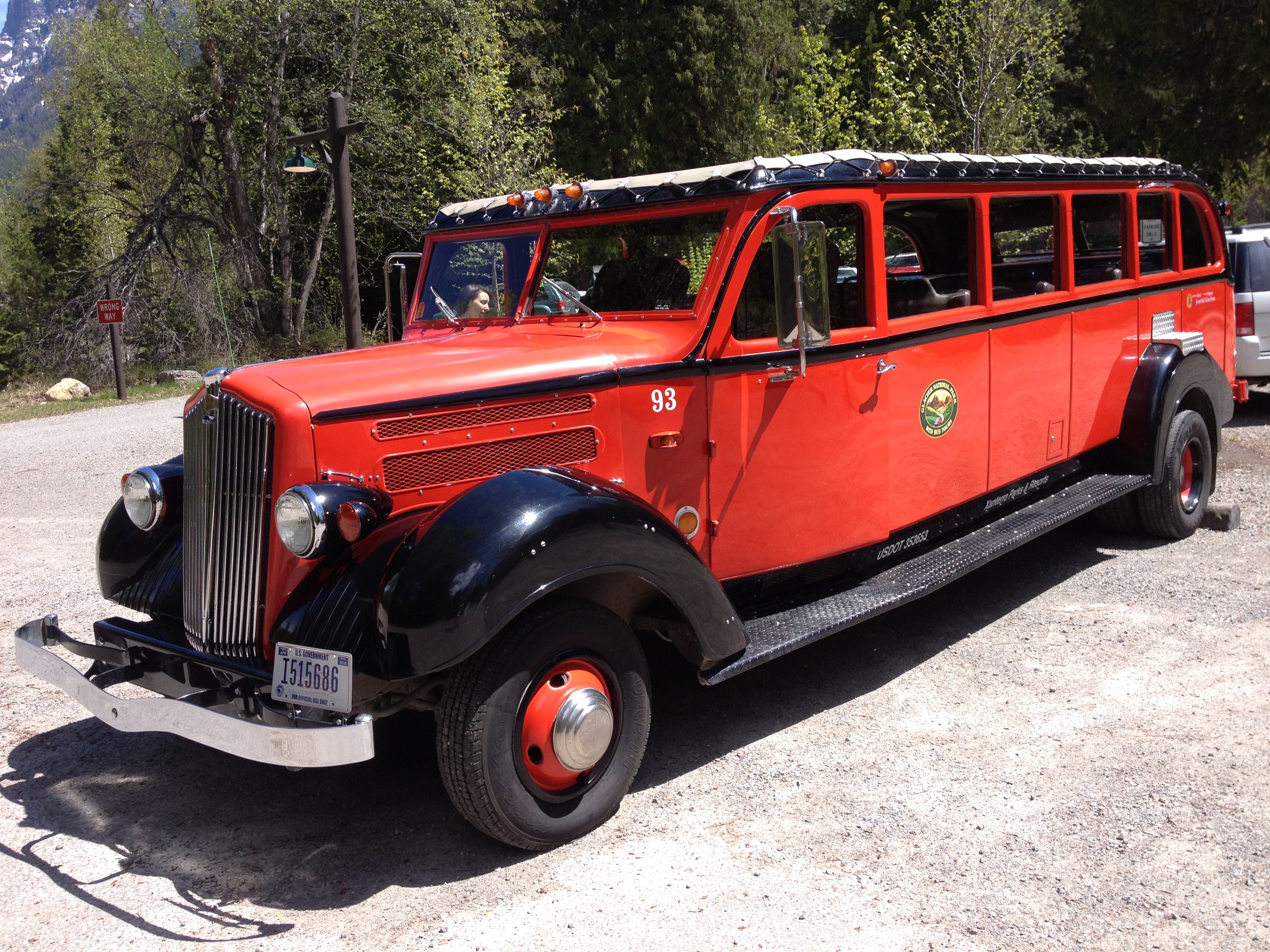
This summer I stepped right into it, unaware of just how delicate a situation I was entering. For the first time in decades, a new concessonaire contract was awarded at Glacier National Park. This contract includes the park’s historic fleet of red buses, which have been masterfully rebuilt from the frames of the original 1930s White Motor Company models. The red buses have come to represent Glacier, providing an iconic symbol associated with the park’s renowned Going-To-The-Sun Road.

The buses were previously operated out of East Glacier, their hub being the Glacier Park Lodge, located on the Blackfeet Indian Reservation. That all changed last year when the National Park Service, much to the locals’ surprise, awarded Glacier’s concessionaire contract to Xanterra Parks & Resorts. Xanterra, in turn, pitched its tent on the west side of the park near the rapidly developing tourist towns of Whitefish and Kalispell.

Red Ride

Red Ride

Losing the contract and its red buses has left East Glacier isolated and angry, its community suffering from a dramatic drop in revenue. There are hard feelings in the park. I experience them every day.

I lost count of how many times locals, posing as tourists, came in to question me about Xanterra’s operations. I found the questions odd at first, but then began to notice a trend and with it an unpleasant demeanor. I was a target no doubt, the new guy with the 10 gallon hat, riding in to represent the big corporate outfit from Denver — unaware of just how many roots had been ripped out in this move.

Early on, I tried to keep a positive attitude, but the constant attacks have worn me down. There are incredible logistical challenges here — it is a remote area drawing affluent visitors who expect every modern luxury while experiencing a true backwoods wilderness adventure. Delivering this total package is the challenge that gets me out of bed at 6 a.m. every morning.

Through all the complaints, raised voices and temper tantrums, I have managed to keep my cool. I am determined to leave here with my dignity intact. Again, I think of my father often now and what it must have been like to go through those hurricanes back in Florida — as he did many times — and manage to keep emotions in checks while restoring power to the masses.

Here in Glacier, appeasing tourists is just part of the equation. A big chunk of my time is devoted to our red bus drivers. Keeping them happy is as vital — if not more — than our guests. Affectionally known as “Jammers” for their gear shifting driving style, red bus drivers do require a certain skill set to succeed. The Going-To-The-Sun Road is no piece of cake with its twists and turns, falling water, ice and rock and God knows what else lurking in the other lane just behind the bend.

Jammers provide commentary along the way, each with their own unique personality. Some have been doing this upwards of 40 years, others like me, thrown into the fire for the first time. In the old days, it was college aged men driving the red buses across the Continental Divide. This year, in another first for the park, we have an equal number of women Jammers, including several college aged girls.

Evelyn, one of our veteran Jammers, is quick to cite statistics showing women to be much safer drivers than men. I’m not sure where she gets her data, but Evelyn is not one to pick a fight with. She’s a motherly hen type, her beautiful white hair braided in a long ponytail and her knowledge of wildflowers is unmatched. Evelyn recognized early on that I was in for a rocky ride this summer.

“Hang in there, John McDonald,” she said during a recent stop by my concierge desk at the Lake McDonald Lodge. “You are halfway there.”


On the Road to Recovery

14 07 2014

July is here. For seasonal park employees these are challenging times. We’ve been in our new surroundings for almost two months and the novelty of living in a national park is wearing off and reality starts to set in.

And so do the crowds.

Fourth of July weekend ushers in the masses — screaming infants, spoiled brat teenagers and impatient parents. The height of summer is indeed “family time” for better or worse.

The good news is Going-To-The-Sun Road is open — two weeks late – but open nevertheless. The frustration, disappointment and anger I absorbed from tourists in the days leading up to the road’s opening more than justified my salary. A late season snow storm delayed the road’s projected opening, leaving our tour bus operations in a mad scramble to find alternative routing, while appeasing those who were expecting a magnificent ride over the pass. The snow storm came just when David — God bless him — had completed his nearly 3,000-mile trek to deliver me my Jeep.

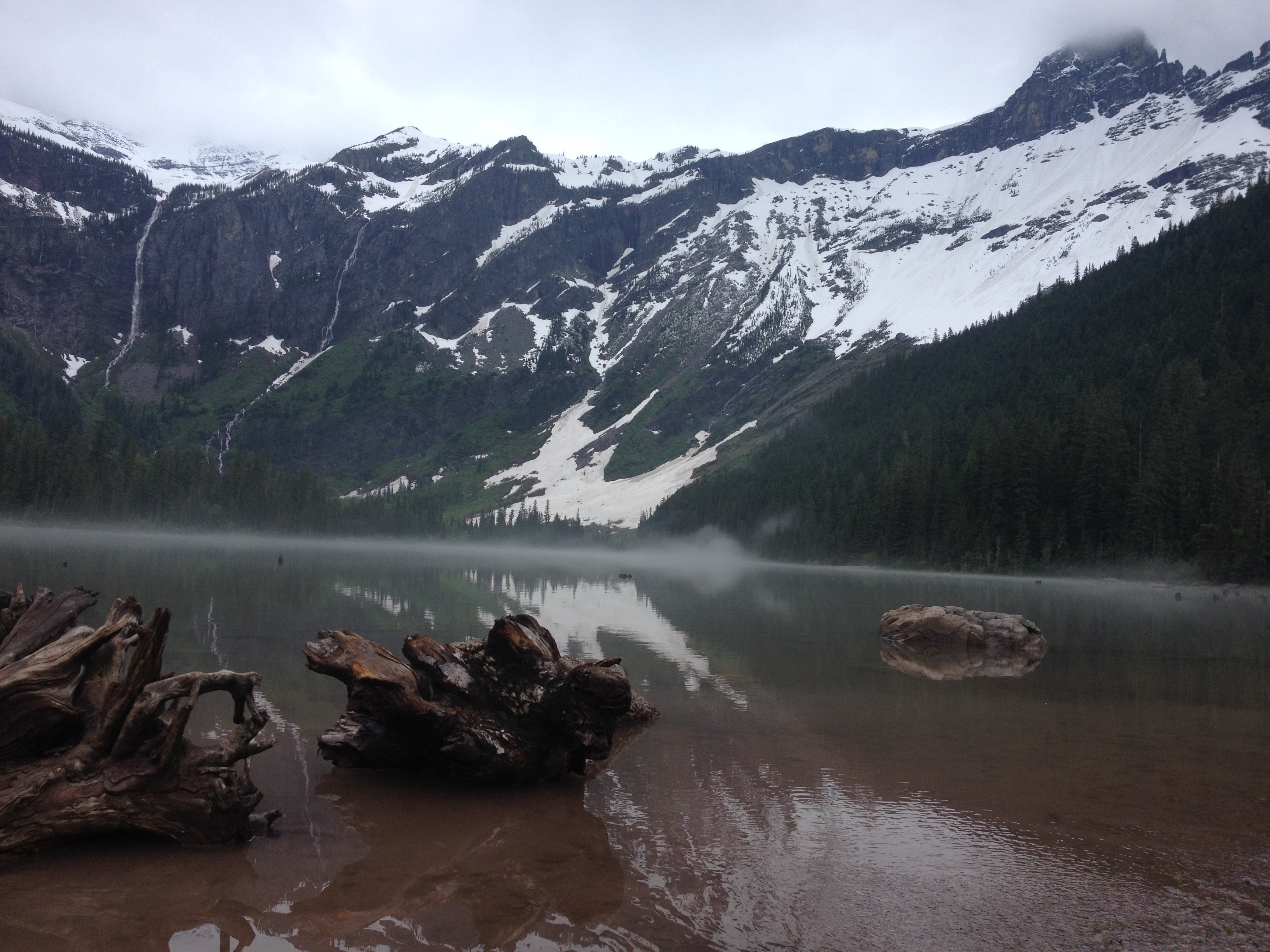
David’s devotion continues to amaze me. This latest act clearly demonstrates his commitment to our partnership. During his visit we hiked to Avalanche Lake, one of the more popular trails on the west side of Glacier National Park. The trail was very muddy that day, it pretty much rains the entire month of June here and the park’s Lake McDonald Valley is considered a Pacific Northwest rain forest. But we persevered, sloshing through the trees while marveling at the size and beauty of the cedars, black cottonwoods and western hemlocks.

We discussed many subjects on the hike. That’s one of the great things about hiking with a friend. You really get to know each other better as you both march toward an end goal. I told David how surprised I was at my ability to manage the stress of this new job, particularly with the amount of patience I was exhibiting.

Things or situations in the past that were frustrating or caused anger did not seem to have the same affect on me now. Could it be, I wondered aloud, that life’s experiences coupled with the hardships and trauma of the last six years had instilled a coping mechanism that is enabling me to deal with all of the daily troubles and problems.

A lost purse, a blown tire, a missed reservation — all in a day’s work behind the concierge desk. A train running late, an allergic reaction to a bug bite, directions to the nearest location with cell phone service ??? … No problem, I have the answers.

One of our drivers has said I have “nerves of steel” while another declared I have the biblical “patience of Job.” Flattering comments I will more than accept after the harsh reactions to our no refund policy when the road was closed.

Avalanche Lake

Avalanche Lake

Meanwhile, the hike to Avalanche Lake was certainly the bright spot of David’s visit. He’s back in South Florida now and I, for the first time in my National Park tenure, have my own transportation. I usually load up the Jeep after work most days and escape into the park, looking for that quiet spot to rest my mind and write.

Glacier is indeed beautiful, snow capped peaks atop rugged Matterhorn-like mountain ranges surround you with the Going-To-The-Sun Road cutting a path through the heart of the park. The scenary along the road is breathtaking and I understand now why the demand to open it was so great. It is an engineering achievement of the highest order. Man’s crowning conquest atop God’s spectacular creation.

As I look to build upon my experience here I must acknowledge the last two months have been incredibly hard and the next hard choice I make is whether I should stick it out with no promises that it will get any easier. Perhaps this is where my road to recovery ends. Knowing when to make the right decision.


Closing one door, opening another

23 06 2014

Greetings from the far reaches of North America. I am corresponding from Glacier National Park in northwest Montana. The rivers are flowing fast and hard here as the snow continues to melt atop these spectacular mountains.

Together with Waterton Park in Canada, this area of wilderness was declared in 1932 to be the world’s first International Peace Park. At this point in my life it is the perfect place for me.

I have recently made peace with Panama City. The sale of our house is final and a decade long culture war has come to an end. I fought authority and challenged convention in one of the most conservative sections of the country and while I no doubt have battle scars to prove it, closure is vitally important.

And now we move on.

I find myself in Glacier hoping for nature’s healing hand to guide me again. The job is, quite frankly, the most responsibility ever bestowed upon me and I eagerly look forward to the challenge. I am managing a fleet of 27 vehicles and more than 50 drivers — each with their own unique personality.

024

From my concierge desk inside historic Lake McDonald Lodge, I also oversee a staff of four concierges whose job it is to see that our guests and visitors not only enjoy their stay to the fullest, but also find their way onto one of the red buses, Glacier’s iconic touring cars. This is the centennial season for Lake McDonald Lodge and events are planned for throughout the summer.

No pressure for the guy named John McDonald.

Admittedly, the first month here was challenging. With a new company taking over the park’s lead concessionnaire contract, there was some confusion as we prepared to open our summer season. This was expected. There are obviously skeptical locals and those loyal to the former company whose grumbling I have experienced first hand.

For me, the transition from a labor activist to a middle manager is conflicting to say the least. I am beginning to see things from the other side. I am doing quite a lot of pausing and reflecting.

My father built a 30-year career in management — with one company, no less. I am hoping some of those skills are hereditary.

Lake McDonald is a nine-mile long glacial lake over a mile wide and 472 feet deep. When calm its royal blue waters reflect the neighboring mountain range in an amazing  mirror-like display that draws thousands to this remote location every year. It was named after Duncan McDonald, a fur trapper, trader and important negotiator with the natives. Duncan McDonald is described by one former red bus driver as a “Métis.”

“He was a half breed,” said Robert Lucke, a longtime employee at the lodge. “You can’t say that now because it is politically incorrect, but that’s what he was. He was half Scots-Irish and half Indian. He traveled this area in the 1870s and carved his name on a lakeside tree.”

Lucke, who at the age of 71 is retired from the Glacier Park lifestyle and now resides in Havre, Montana, has been a wealth of information for me as I continue my on-the-job training. He is a colorful character in his own right, who writes for several local papers around Havre and the lounge in the lodge bears his name.

At last week’s centennial celebration, Lucke entertained a large audience that had gathered inside the lodge’s auditorium on a wet and cold day with stories from his time driving those red buses. The stories clearly eased much tension associated with the new company in town, but could not overcome the question on everyone’s mind.

The Going-to-the-Sun Road and when will it open?

That, my friends, is the million dollar question here.